
Maximizing Daylight During Short Baltic Winters
Six-hour winter days need strategy. See how Latvian homes can capture and distribute every bit of available sunlight.
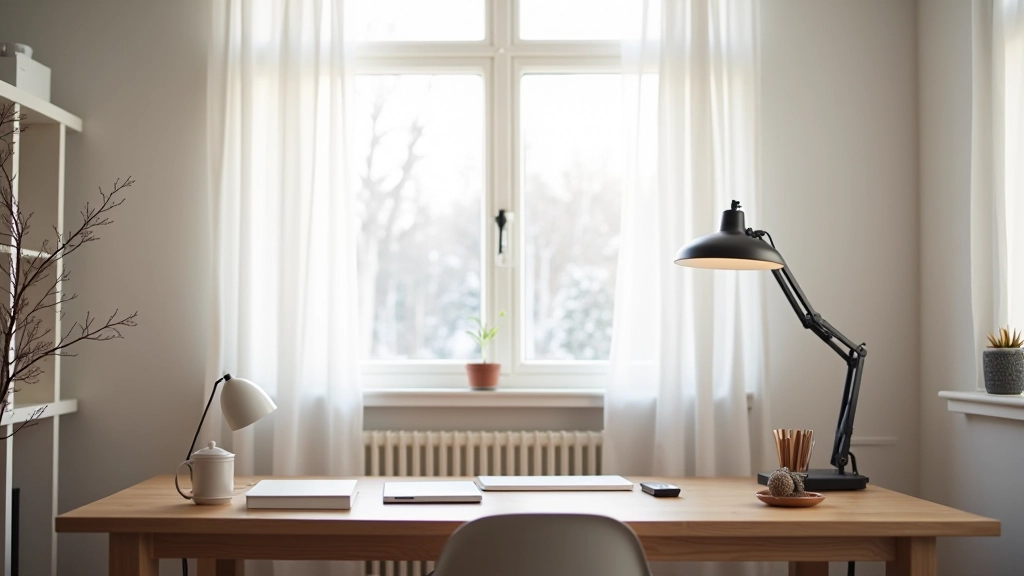

Why Winter Light Matters in the Baltics
Winter in Latvia isn't just dark—it's systematically dark. We're talking about six hours of actual daylight in December, with the sun barely clearing the horizon. That's not a slight inconvenience. It affects your mood, your energy, and honestly, your ability to function in your own home.
The thing is, you can't change the sun's schedule. But you can change how your home captures, reflects, and distributes whatever light does appear. It's not magic. It's strategy. And it starts with understanding that every window, every mirror, every wall color is either working for you or working against you.
Window Positioning: Where the Light Actually Goes
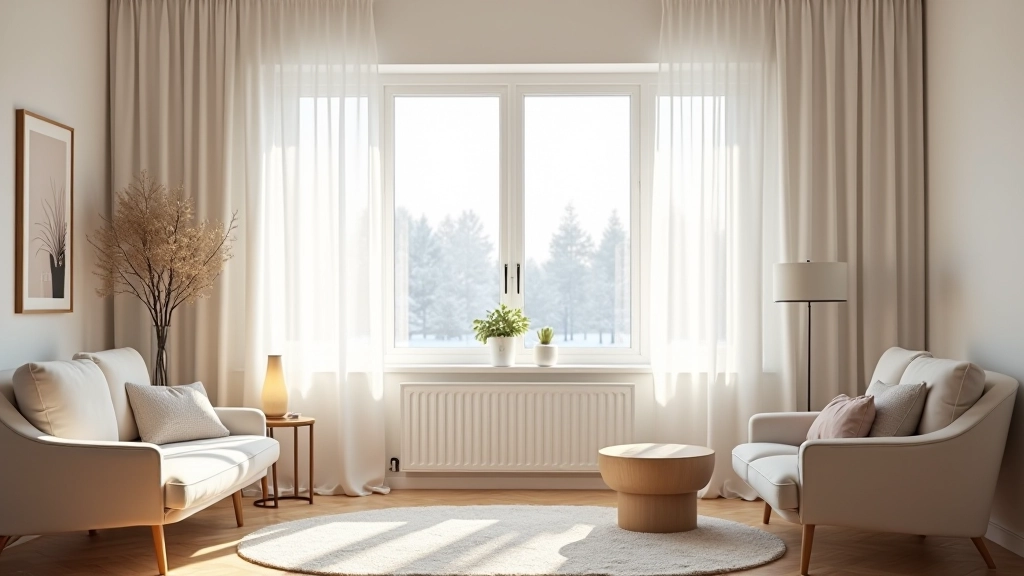
Your windows aren't all created equal in winter. South-facing windows are your priority—they're the only ones getting decent winter sun in the northern hemisphere. Don't waste them. Clear the sills, remove heavy curtains during daylight hours, and let that light pour through.
East-facing windows catch the morning sun when it's low and weak. Still useful. West-facing windows get afternoon light, but it's often diffused by atmospheric moisture and pollution by afternoon. North-facing windows? They're getting ambient light only—no direct sun in winter.
Here's what actually works: Keep your main living space near south-facing windows if possible. Bedrooms and bathrooms can manage with east-facing exposure. Don't position furniture to block windows. This seems obvious, but I've seen plenty of homes with a perfectly good window completely blocked by a bookshelf.
Window Priority Ranking:
- South-facing: 100% winter sunlight access
- East-facing: Morning light, useful for morning spaces
- West-facing: Afternoon light, but diffused
- North-facing: Ambient light only, no direct sun
About This Guide
This article provides educational information about natural light optimization techniques for Latvian homes. While these strategies are based on established principles of interior design and light physics, individual results may vary depending on your specific home, climate, and window orientation. For structural changes or significant renovations, consult with a qualified interior designer or architect.
The Mirror Strategy: Multiplying Light Where It's Scarce
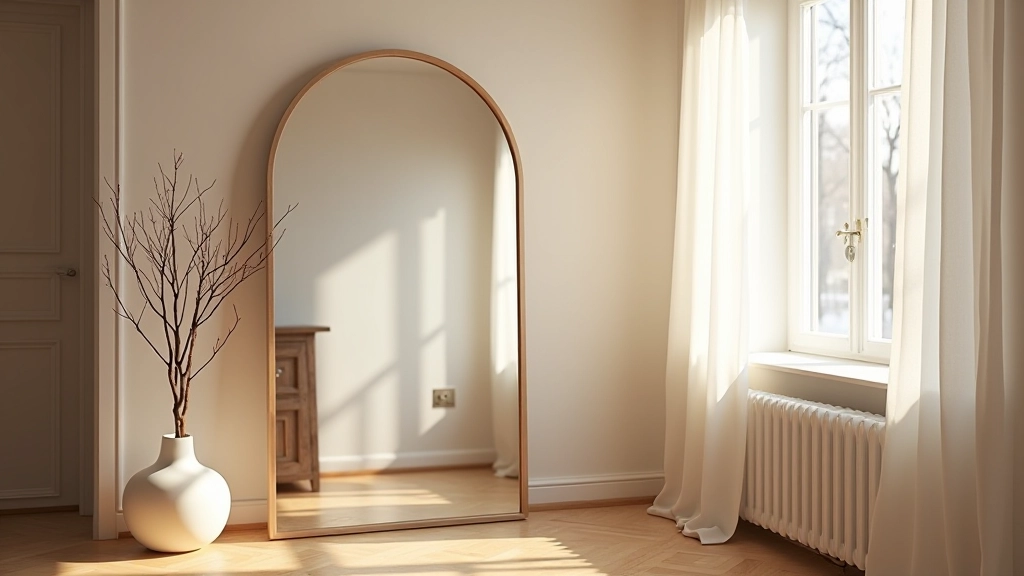
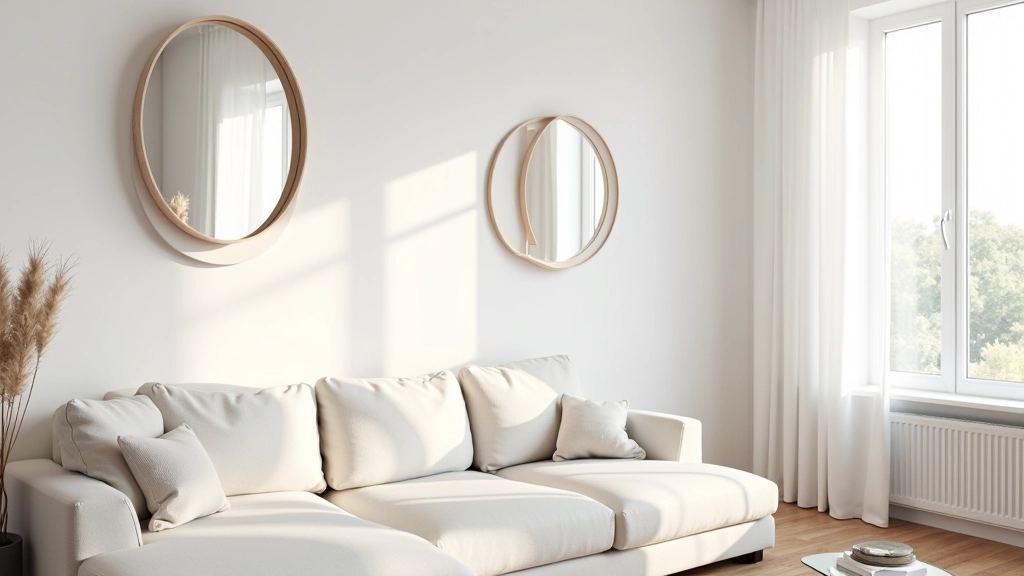
Mirrors are the second-most important tool in your winter light arsenal. A well-placed mirror doesn't just bounce light around—it effectively doubles the perceived light in a room. But placement matters. Randomly hanging a mirror on a dark wall won't help.
Place mirrors directly opposite your south-facing windows. This creates a reflection path that carries light deeper into your home. For rooms without direct window access, position mirrors to catch light from adjacent rooms and redirect it inward. You're essentially creating light corridors.
Size matters too. Small mirrors feel decorative. Large mirrors—full-length or statement pieces—actually move meaningful amounts of light. We're talking 1.5 to 2 meters wide minimum for real impact. The reflection needs mass to redistribute significant light.
One more thing: clean mirrors regularly. Winter grime and dust accumulate fast, and a dirty mirror reflects maybe 70% of what a clean one does. That's the difference between a bright room and a dim one.

Colour Palettes: Making Light Work Harder
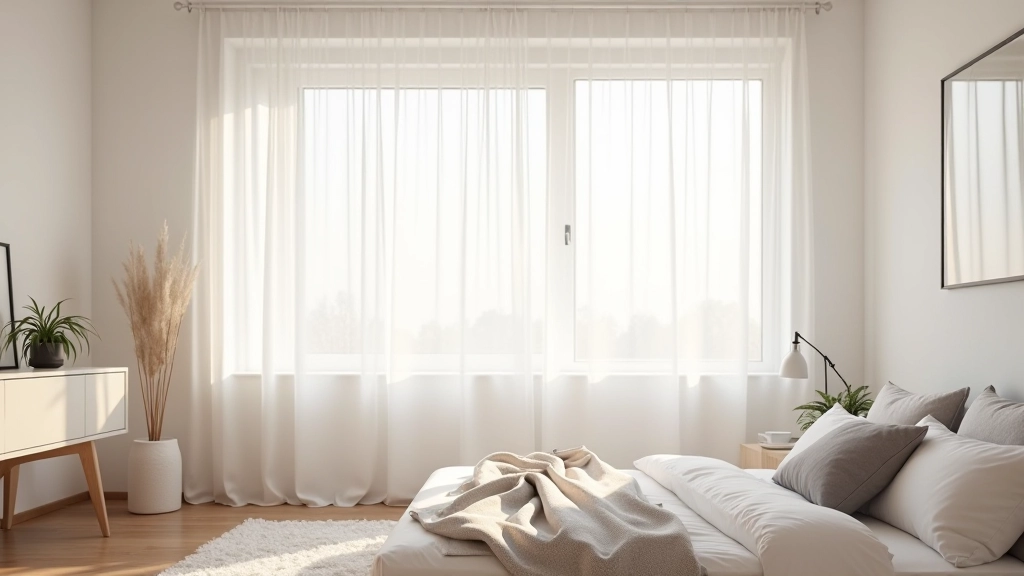
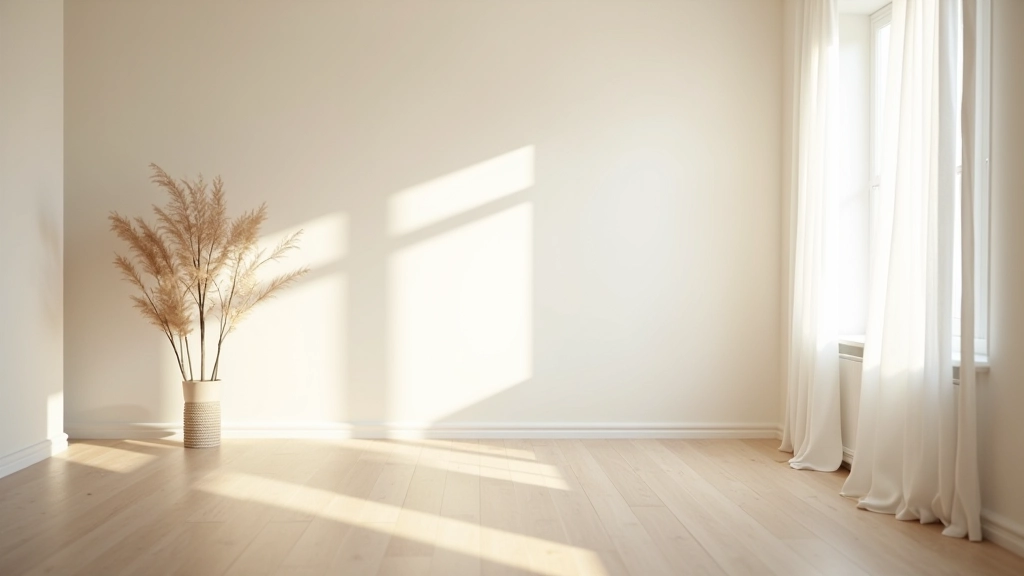
Dark walls absorb light. It's physics. A dark grey wall might absorb 85-90% of the light hitting it. A pale cream wall reflects 60-70%. That's not a small difference when you're working with six hours of winter daylight.
You don't need white walls. White can feel clinical, especially in winter when everything outside is already pale. Instead, use warm light tones: soft cream, pale yellow, light taupe. These colours reflect light while maintaining warmth. They feel inviting, not sterile.
Ceilings are critical and often overlooked. A white or off-white ceiling bounces light downward throughout the room. Dark ceilings trap light. Keep them light. Trim and woodwork can be darker—this creates visual interest without killing light distribution.
Furniture and Layout: Clearing the Light Paths
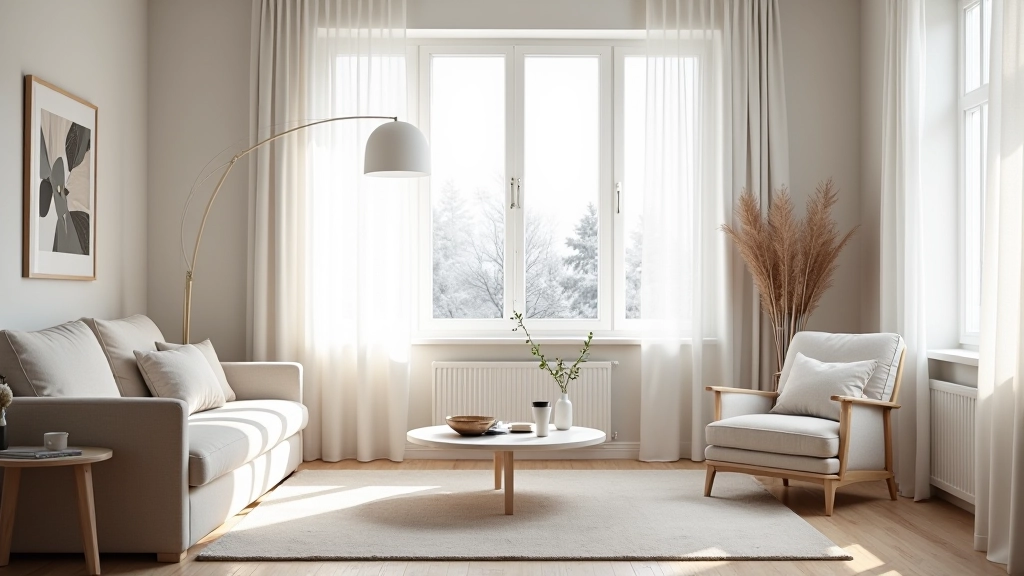
Here's something most people miss: your furniture arrangement directly affects how light moves through your home. A tall bookshelf blocking a south-facing window isn't just blocking light—it's cutting the light path to the entire back half of your room.
Winter layout strategy is different from summer layout. Move furniture away from windows. Yes, even that cozy reading nook by the window. It blocks light. Create clear sightlines from windows deeper into the room. Light needs to travel unobstructed.
Keep furniture lower and more open during winter months. High-backed sofas and dense bookcases create shadows that extend across the room. Lighter furniture with exposed legs, glass tables, and open shelving lets light flow underneath and around. It's the opposite of a cozy autumn setup, but it's what winter demands.
One practical approach: redesign your winter arrangement in October. Move heavy pieces away from windows. Store dense decorations. Pare down what's in the room. Come spring, you can gradually reintroduce things. It's not permanent—it's seasonal adaptation.
Making Winter Livable
Winter in Latvia is dark. That's not changing. But the darkness doesn't have to feel suffocating in your own home. You've got tools: window positioning, mirrors, light colours, and intentional furniture placement. None of these are expensive renovations. They're strategies.
Start with the easiest win: clean your windows thoroughly and move furniture away from them. That alone makes a difference. Then add a large mirror opposite your south-facing window. Paint that dark wall cream. Small changes compound.
You'll notice the difference by November. Your home will feel brighter. You'll feel less drained by 3pm darkness. And that matters more than you might think when you're living through six-hour winter days.