
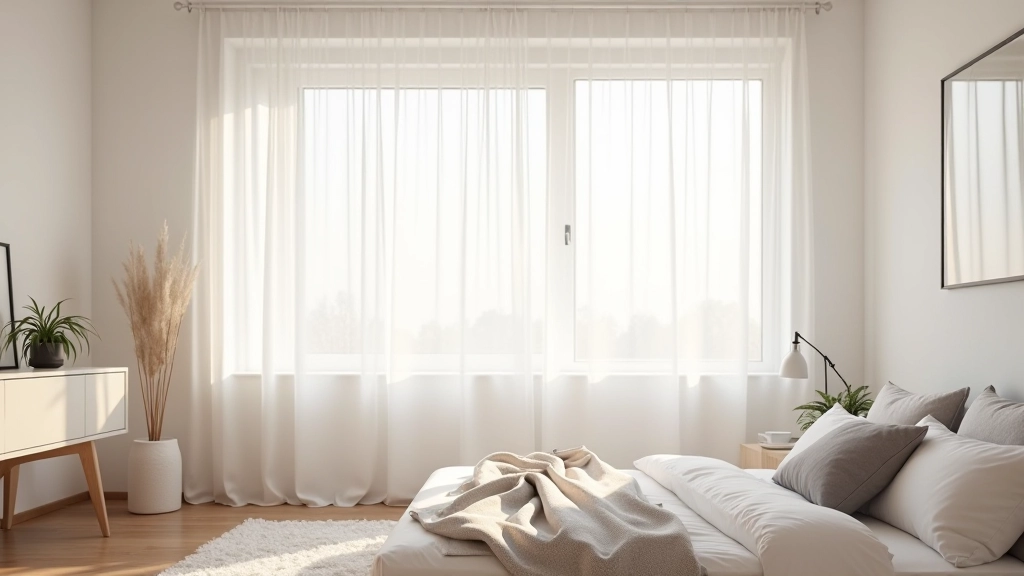
Choosing the Right Curtains and Blinds for Winter Light
Discover which fabric types let the most light through while providing privacy and insulation.
Read ArticleStrategic mirror positioning can triple the amount of natural light in any room. We show you exactly where to place them.
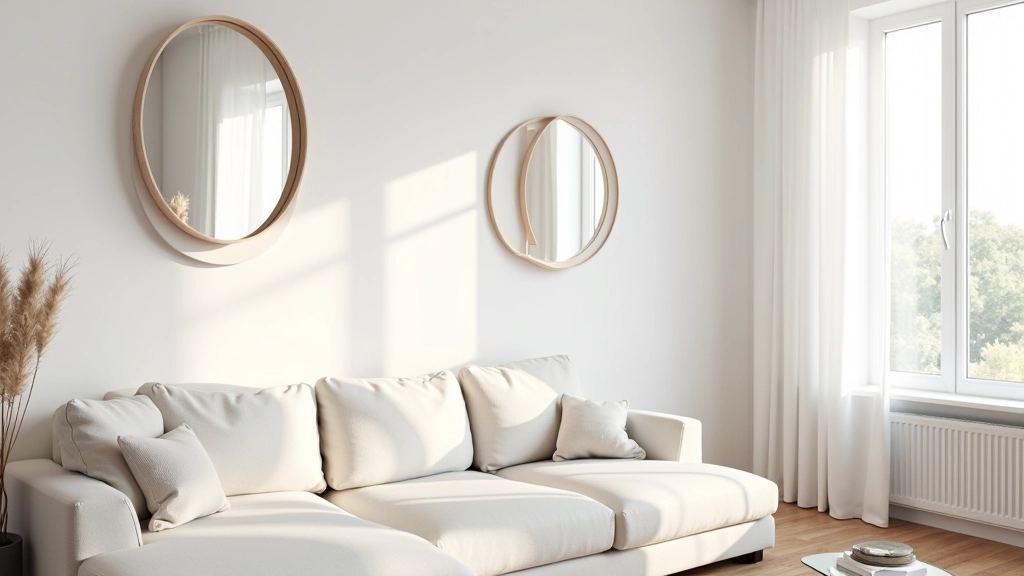

Mirrors aren't just decorative — they're powerful tools for light distribution. When positioned correctly, a single mirror can bounce natural light across an entire room, making spaces feel brighter and more spacious. The key is understanding how light travels and where it bounces.
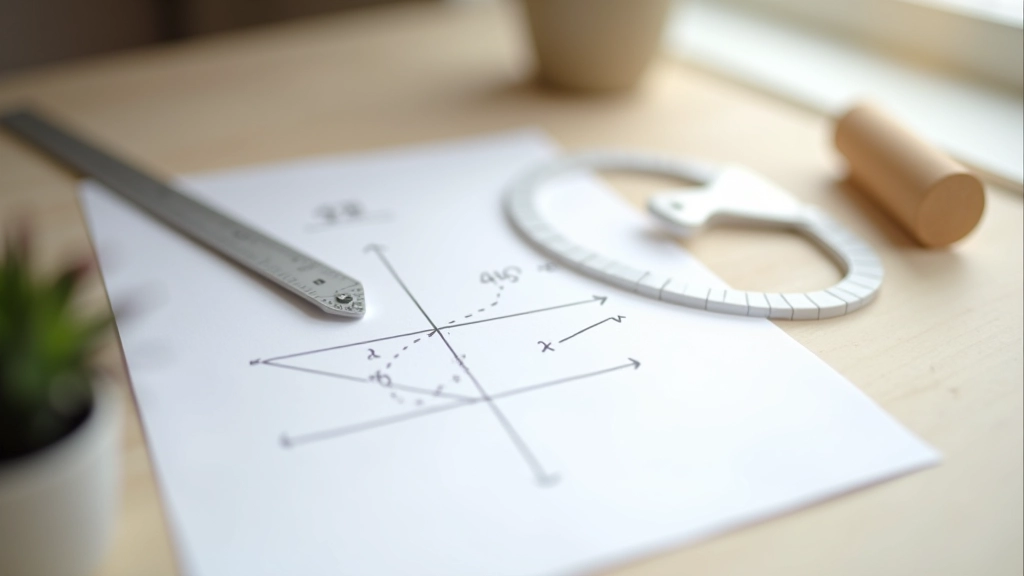
Light reflects off mirrors at the same angle it hits them. That's the fundamental rule you'll use. If sunlight enters your window at a 45-degree angle, it'll bounce out at 45 degrees in the opposite direction. This means placement isn't random — it's geometric. You're essentially creating a light path through your room.
Position mirrors at roughly 45 degrees to your light source to redirect light deep into darker corners. This angle maximizes reflection distance and brightness.
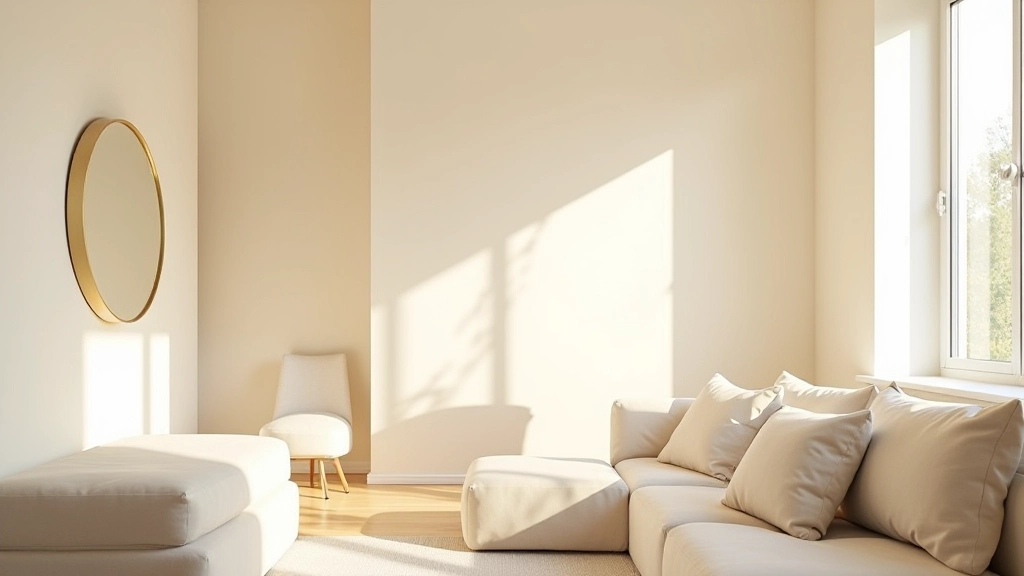
The simplest and most effective technique? Place a mirror on the wall directly opposite your window. This isn't complicated, and it works beautifully. When you position it this way, light enters the window and bounces straight across the room. You're doubling the perceived light without any complex angles.
In Latvian homes with limited winter daylight, this strategy makes a measurable difference. One client in Riga reported their north-facing bedroom felt noticeably brighter after installing a 120cm mirror opposite the window. The room went from feeling cave-like to genuinely pleasant during morning hours.
This article provides educational guidance on mirror placement for light optimization. Results vary based on room size, window orientation, season, and latitude. We recommend testing placement options before making permanent installations. Consult a professional interior designer for complex layouts or structural considerations.
Dark corners are common in Baltic homes, especially during winter months. Corners trap shadows and make rooms feel smaller. You can transform a corner by placing a mirror at a 45-degree angle where two walls meet. This catches light from your window and spreads it throughout the space.
Tall, narrow mirrors work best for corners — they catch light higher up where it's strongest. A 180cm mirror angled properly in a corner creates a surprising amount of ambient light. It's not just brighter; the room actually feels warmer because the light distribution is more even.
Position the mirror so it catches morning light (east-facing windows) or afternoon light (west-facing). This timing captures the strongest, most consistent light throughout the day.
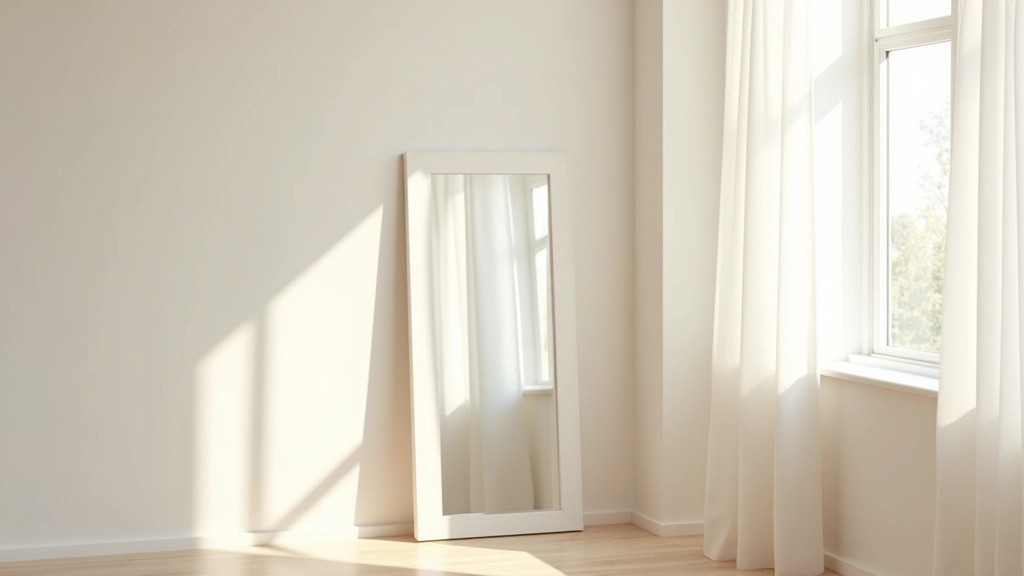

Size matters significantly. A small 60cm mirror reflects light in a limited area. A large 150cm mirror covers substantial wall space and bounces light much further. For most Latvian rooms, we recommend mirrors between 100-150cm in height for noticeable impact.
Shape also plays a role. Large rectangular mirrors maximize light reflection because they capture light across a wider horizontal span. Round mirrors look beautiful but reflect light in all directions, which can be less focused. Tall narrow mirrors are perfect for corners. Horizontal rectangular mirrors work best opposite windows.
In Latvia, the sun's angle changes dramatically between seasons. What works perfectly in June won't work the same way in December. During winter, the sun stays lower in the sky, so you might need to adjust mirror angles slightly downward to catch that lower light. It takes maybe 5-10 minutes and makes a noticeable difference.
Keep mirrors clean — dust and condensation reduce reflectivity by up to 20 percent. Wipe them weekly with a soft cloth. In Baltic climates where moisture is common, check for condensation behind mirrors and ensure proper ventilation to prevent mold.
Mirror placement isn't magic, but it feels like it when you see the results. Strategic positioning can genuinely triple the brightness in a room during winter months — that's not an exaggeration, that's geometry working in your favor. Start with the opposite-wall placement, adjust based on your specific light patterns, and you'll quickly discover what works best for your home.
In Baltic winters, every bit of light counts. Mirrors are affordable, beautiful, and effective. They're one of the easiest upgrades you can make to your living space. Try it, adjust it, and enjoy brighter mornings and afternoons throughout the year.